
Fusion startup Inertia partners with LLNL to commercialize laser-based fusion reactor technology, potentially revolutionizing clean energy production.
Berkeley: Fusion power startup Inertia Enterprises has signed three agreements with the Lawrence Livermore National Laboratory in California.
One agreement helps Inertia bring a laser-based fusion reactor to market. This reactor was first tested at LLNL’s National Ignition Facility. That facility is the only experiment so far that proved fusion reactions can make more energy than they use.
464 people have seen this article so far today. Lawrence Livermore National Laboratory in California.
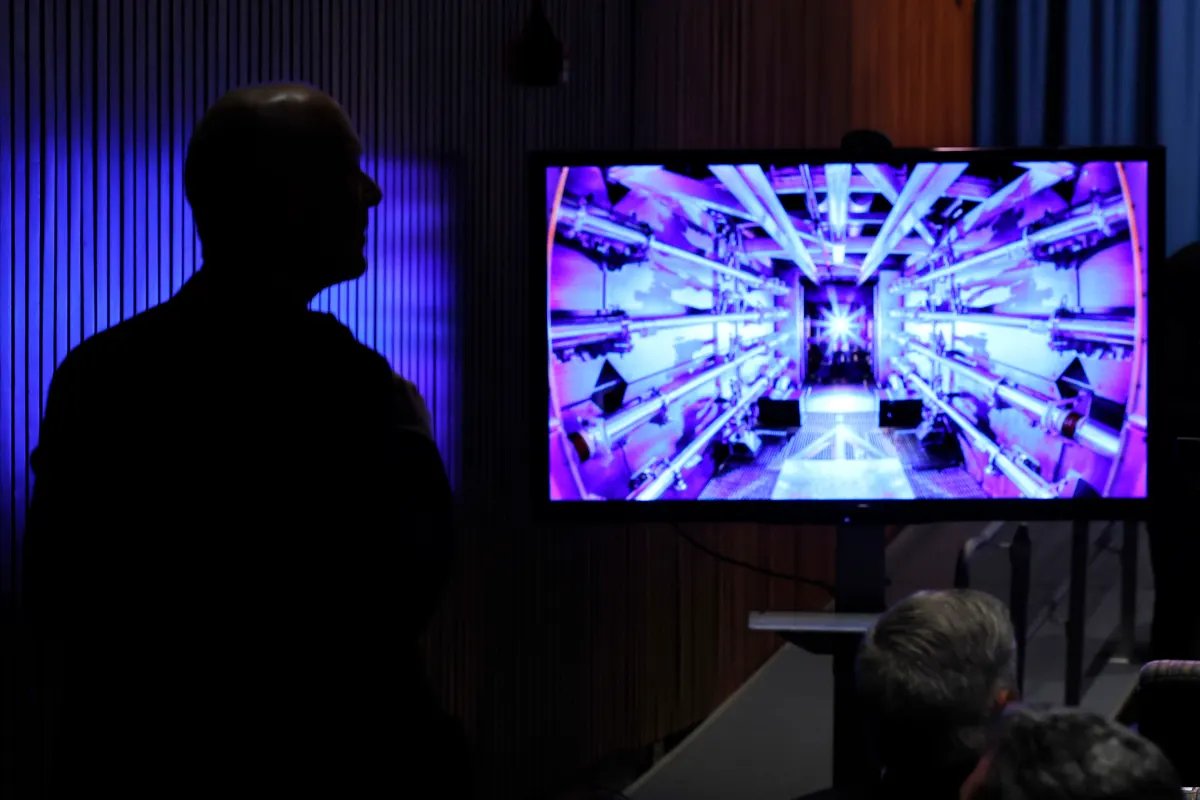
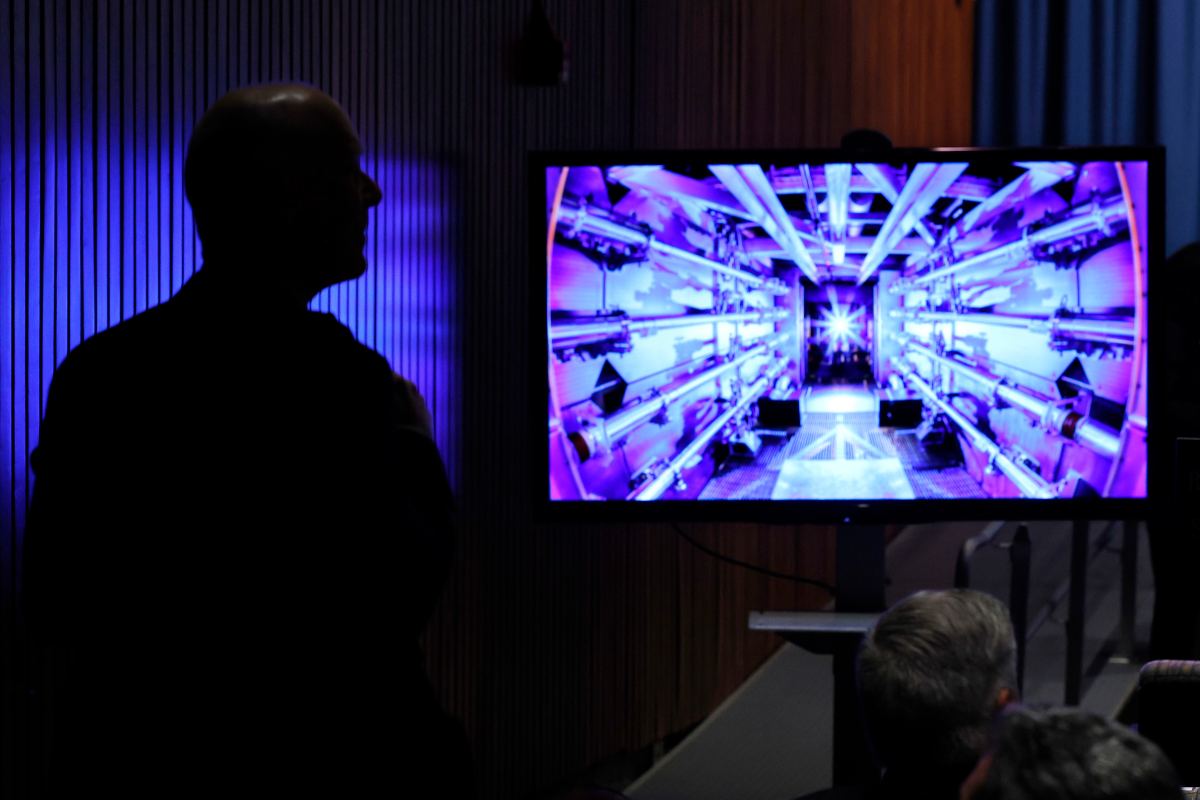
The technology uses 192 laser beams fired into a vacuum chamber. The lasers hit a small gold cylinder called a hohlraum. Inside this cylinder is a diamond-coated fuel pellet about the size of a BB.
When lasers hit the hohlraum, it vaporizes. X-rays blast the fuel pellet inside. The diamond coating turns into a plasma. This expansion compresses and heats deuterium-tritium fuel until atoms fuse together.
Scientists first thought of this laser approach in the 1960s. They wanted a safer way to research nuclear weapons. But they saw it could make electricity too. Building the National Ignition Facility took 25 years.
In 2022, scientists finally reached breakeven. A fusion reaction released more power than needed to start it. This breakthrough excited many startups. Inertia raised $450 million to pursue this technology.
Inertia and LLNL will work on two main things. They want to create better lasers. Current NIF lasers use older technology. New lasers could need less energy to start each fusion reaction.
They also want to improve fuel targets. Better targets would work more efficiently and cost less to manufacture. Inertia can use almost 200 patents from LLNL’s research.
Inertia’s chief scientist Annie Kritcher helped design the successful 2022 experiment that reached breakeven. She can keep working at LLNL while running her company. This is allowed because of new science policies.
The goal is to build commercial power plants. These plants would use this laser fusion technology. If successful, they could provide clean energy for cities and homes. The process repeats several times per second in a working power plant.
Rivals include companies like Xcimer, Focused Energy, and First Light. All are trying to make fusion power commercially viable. Better lasers and fuel targets could help Inertia get ahead. The company hopes to overcome energy input challenges.