
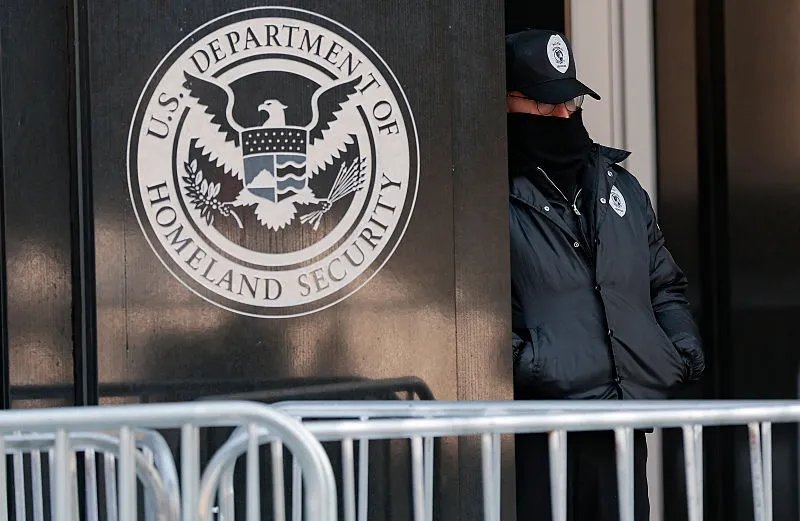
DHS is using administrative subpoenas to obtain data on Trump critics without judicial oversight, raising First Amendment concerns.

Government lawyers are using something called administrative subpoenas. These are different from normal subpoenas because judges do not need to approve them. With administrative subpoenas, government agencies can ask tech companies for information about users without going to court first. While they cannot get emails or exact locations, they can learn when someone logs in, what devices they use, and their email addresses.
This has happened to at least five different Instagram accounts that post information about immigration or criticize government policies. In one case, DHS asked Meta (Facebook’s parent company) for information about an account in Pennsylvania that shares resources to help protect immigrant rights. The ACLU (American Civil Liberties Union) said this was legal speech protected by the First Amendment, and Homeland Security later backed off without explaining why.
The Post found another case where DHS wanted information about a retired American man. He had sent an email to a Homeland Security lawyer criticizing Trump. Within five hours, Google told him that DHS demanded his online activity records. Two weeks later, Homeland Security agents visited his home. They asked about his email but admitted he broke no laws.
Companies like Google say they try to stop requests that ask for too much information. Some apps like Signal collect very little data to begin with. Many people in Europe and regular users are now trying to use American tech companies less because of concerns about government access to private information.