
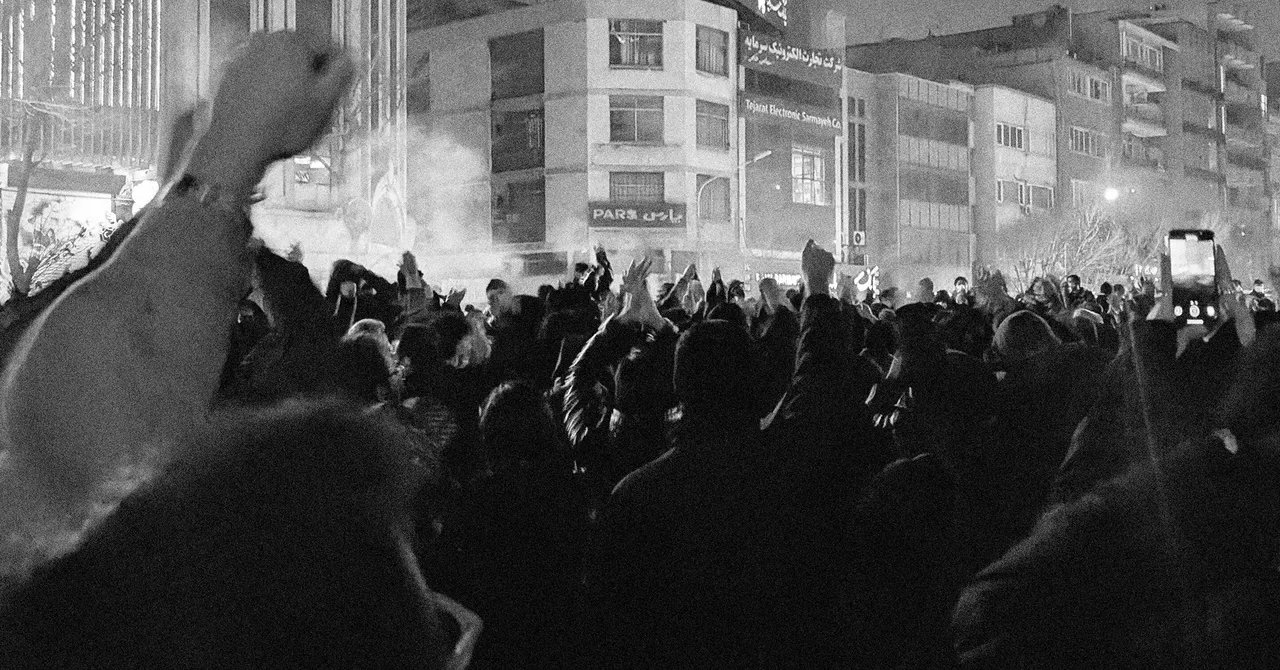
Iran is building an all-encompassing digital surveillance system that monitors citizens’ daily life, blocking outside connections and controlling what information can be accessed or shared.

Tehran: Iran has built a big digital system to watch what people do every day, experts say. The system uses cameras, face scanners, and special apps that can read private messages. It also tracks what people do and how they live.
This digital network is called the National Information Network, or NIN. The government made it to control what Iranians can see and share online. The NIN keeps outsiders from connecting to Iran and only lets people use Iranian apps and websites.
During recent power cuts, the NIN stopped working, which broke government websites too. Some people could not use phones or special phone cards. Experts say this was one of the biggest internet blackouts ever in Iran.
Now that some internet is working again, the government may only let certain people and websites go online. They published a list showing which websites people can visit. This means internet access might become something the government gives or takes away, not a basic right.
Experts watching Iran from outside say the system is very messy right now. They can’t tell if this chaos is on purpose or a mistake. While stopping internet can seem helpful to leaders when things get bad, it can also make more people angry enough to protest. As internet slowly returns, people face a system that watches them very closely.