
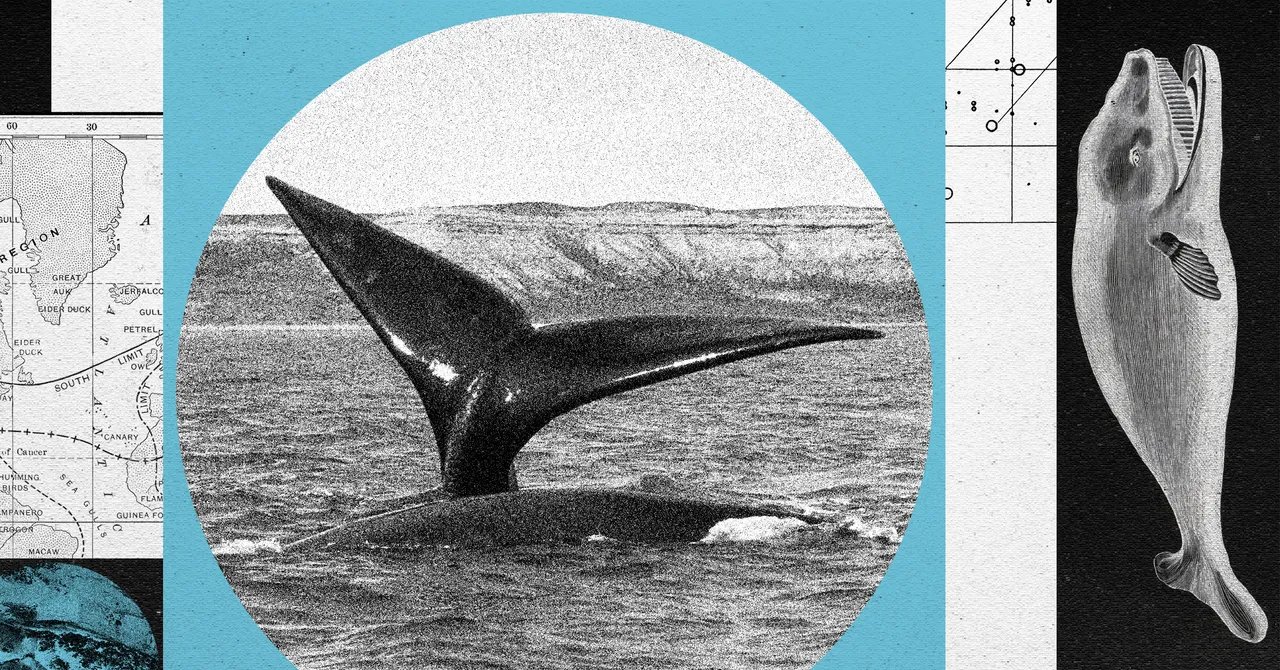
A baby boom for North Atlantic right whales offers hope, but dangers remain. Conservation experts warn the species is still at risk of extinction.

On New Year’s Eve 2025, Callosity Back was spotted again, this time with her own baby whale off Florida’s coast. “I’ve been waiting 19 years to see this mother,” Albert shared, excitedly. Many whale watchers joined her to watch the mother and her calf swim together. At that time, researchers counted 21 new right whale babies born during the current calving season, a big jump from last year’s 11 babies.
In 2024, there were only 384 North Atlantic right whales left. This species used to be many thousands but was nearly wiped out by whaling in the 18th and 19th centuries. North Atlantic right whales have not recovered and are now very close to extinction.
The baby boom is great news, but there are still big problems for these whales. They can easily get hurt or killed in boat accidents or by getting stuck in fishing gear. In 2017, 18 right whales died in just six months. That year was also tragic because a whale rescuer named Joe Howlett lost his life trying to help a right whale.
Experts caring for right whales know a flurry of calves does not mean the species will survive in the long run. But they believe it’s worth trying to save them because they could grow in numbers if given a chance.
Callosity Back is special because her mother was one of only two documented right whales to give birth in the cold waters of the northeast. Typically, right whale calves are born in warmer waters.
Now, researchers are keeping watch for more newborn right whales and are surprised by the 21 new arrivals this season. “In the 1980s and 1990s, we only counted over 18 babies a couple of times,” said Phil Hamilton, a scientist at the New England Aquarium. “I’m hopeful that number might go up.”