
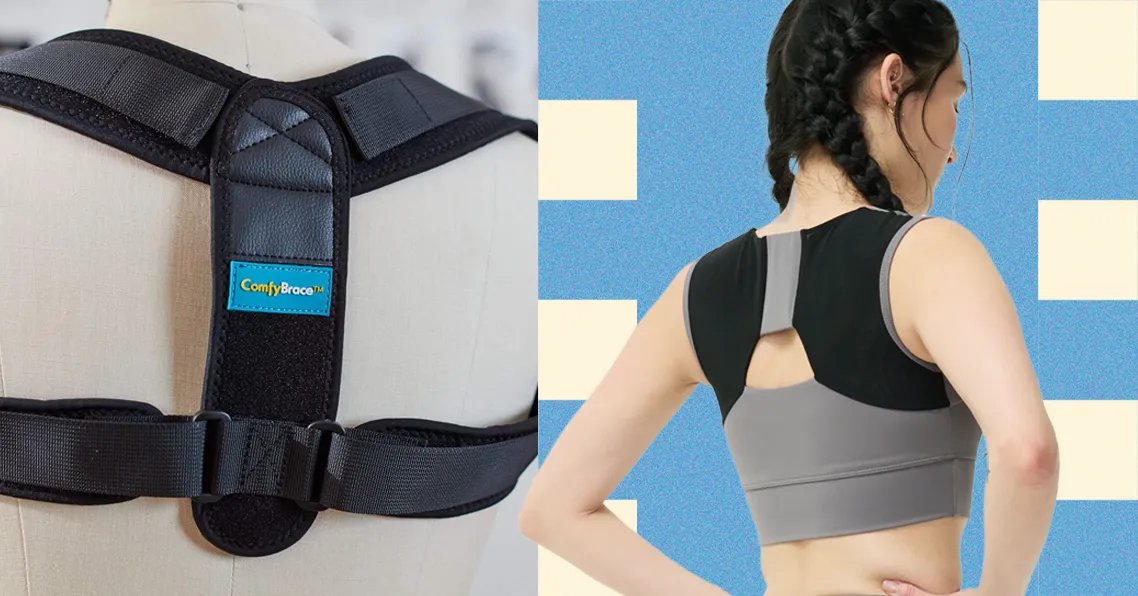
From posture bras to braces and desk setups, these tools can gently nudge your body back into alignment.

Los Angeles: This guide helps you find the right posture corrector for your needs. I tested many different options over several months. I wore each one during daily activities like sitting at my desk, running errands, and working out. I wanted to see which ones felt good and actually helped improve my posture.
Posture correctors are tools that help train your body to sit or stand straighter. They are not meant to be worn all day or do the work for you. Instead, they give your muscles gentle reminders to stay aligned. After wearing each posture corrector for both short and long periods (but never longer than 30 minutes), I judged them on four main things:
I looked at how easy each one was to wear. This means checking if the materials let air pass through so you don’t get sweaty or itchy. Also, I made sure they were simple to adjust for a good fit. Next, I checked how well they stayed together after regular use. This means looking for signs of damage or color fading. I also made sure each product came in different sizes to fit many body types. I tested various types like traditional braces, posture bras, and even wearables with technology.
In the end, I asked myself, “Can I tell a difference in my posture?” If yes, then I knew I found a good product!
Many people think they need perfect posture right away. But the Posture Bra (costs $199) has six straps you can move around to get just the right amount of help. For three weeks, keep them where they are first. Your muscles need time to get used to the new position before you can tighten or loosen anything more comfortably.
The BackBrace Posture Corrector (costs about $70) pulls your shoulders back and lifts your chest slightly upward, too. Its split design takes practice putting it on but gets easier over time. The material also feels nice and won’t rub or hurt your skin like some other fabrics might. But don’t be afraid to wear it outside the house.
Even small changes around your desk can make your back feel better fast. A laptop stand like Branch’s adjustable model raises your screen to eye level without needing extra parts. You could also buy an ergonomic keyboard and mouse combo to help align everything properly.
You could even make something yourself! A yoga teacher told me about using long straps like the Gaiam Yoga Strap for $10. Put this strap behind your back near your shoulder blades, then cross it over your chest before buckling it in front. Start with at least 10 feet of strap so there’s enough room to wrap around comfortably.
Yoga classes can really help improve how tall you stand or sit. They teach body awareness and strengthen important muscle groups. If yoga isn’t your thing, try exercises like planks or push-ups to build core strength. Even daily morning stretches will work wonders if done regularly!
If problems persist, talk with a healthcare provider such as a doctor, physical therapist, or chiropractor. These experts understand what kind of support system would benefit your specific needs most. They may also suggest other solutions instead of devices.
Remember: Keep your head centered over your spine, shoulders relaxed down away from ears, and ribs stacked beneath pelvis. When sitting, both feet should rest flat against the floor with thighs parallel to the ground. Your lower back stays supported against chair backing, and arms hang loosely at sides.
Falling into bad habits doesn’t mean defeat—everyone does sometimes. Slouching happens because chest muscles become tight when we lean forward too often, making straightening difficult. Genetics, injury history, and repeated motion also play roles in chronic discomfort. Just like adjusting to lenses, correction takes time.
Most importantly, remember that these tools serve only as aids. Don’t expect instant results or permanent solutions solely from wearing them continuously. Short periods are best—about ten minutes max per session—to avoid relying too heavily upon device assistance rather than personal effort.
By incorporating healthy routines, you gradually train yourself toward lasting change. Consistency matters most!