
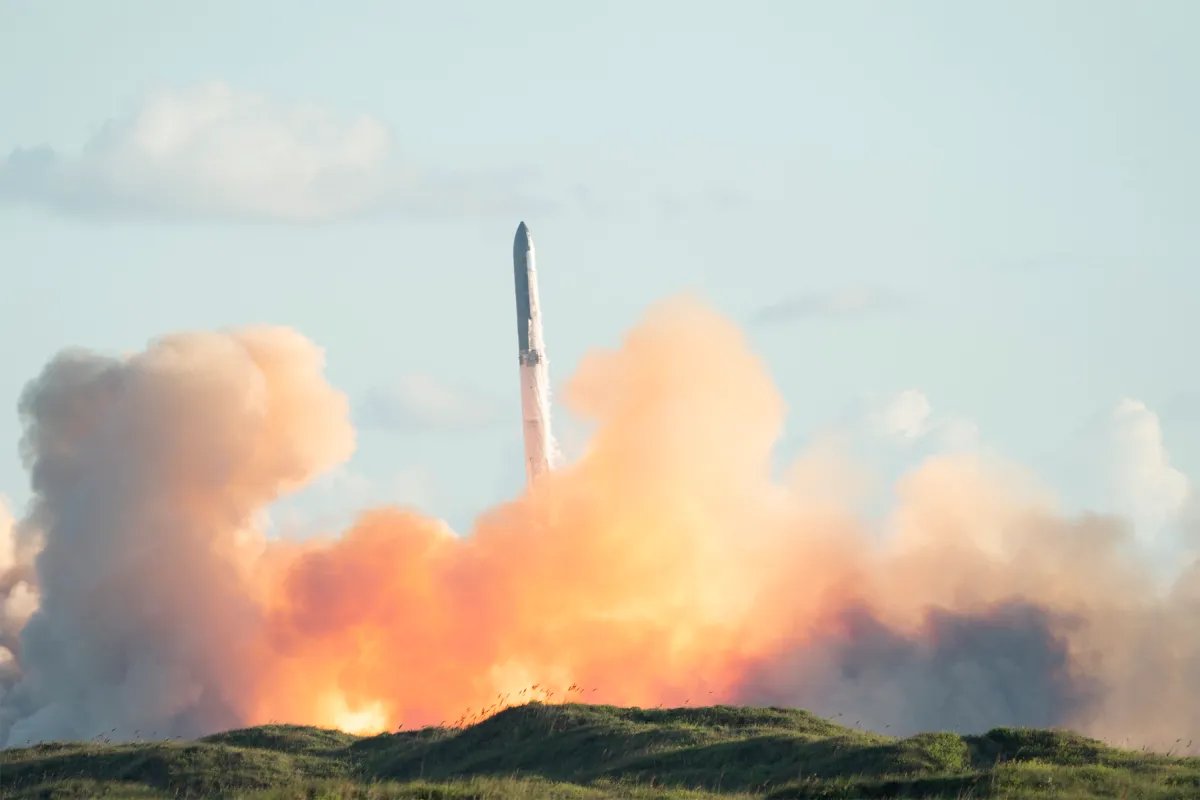
SpaceX’s potential IPO could signal a reopening of public markets after years of stalled offerings, while secondary markets for private shares see record activity.

San Francisco: SpaceX is getting ready for a possible 2026 public stock sale. That could be a big signal for other companies waiting to go public after years of silence in the market.
Greg Martin works for Rainmaker Securities, a company that helps people buy and sell shares of private companies like SpaceX before they go public. He says many big private companies are staying private longer than before. That means employees and early owners often want to sell their shares to get money instead of waiting for an IPO.
The secondary market helps with this. People can trade shares privately without the company going public. It’s growing fast because more rich investors want to get in early, and more early owners want to cash out a little.
SpaceX recently set a value of $800 billion in a private sale. Martin says interest in buying SpaceX shares is very high. People are looking at other big private companies too, like Stripe, Databricks, OpenAI, and Anthropic.
Martin explains that SpaceX never promised a quick IPO. Elon Musk once said it would wait until rockets flew to Mars often. Now, the market feels good, and SpaceX has big plans. It launches rockets, runs internet service through Starlink, and works on new ideas like space-based data centers.
Going public could help SpaceX raise more money from many investors. It would also let more people own a small piece. But opening up could create national security risks. Some buyers might come from countries the U.S. doesn’t trust. SpaceX will likely let only a small number of shares go public to limit that risk.
There are many pressures pushing toward an IPO. Elon Musk and Sam Altman (OpenAI) are rivals racing toward billion-dollar stock sales. Amazon’s Jeff Bezos also plans to build space-based internet. The rush to lead in space business and artificial intelligence adds urgency.
Martin says other signs show when a company is ready for an IPO. It might hire more public-company experts. It could get banks involved to measure buyer interest in advance. Testing prices in the secondary market before the IPO helps find the right number and avoids wasting money.
If SpaceX goes public well, it could open the door for many others. The secondary market is booming now and will likely keep growing.