
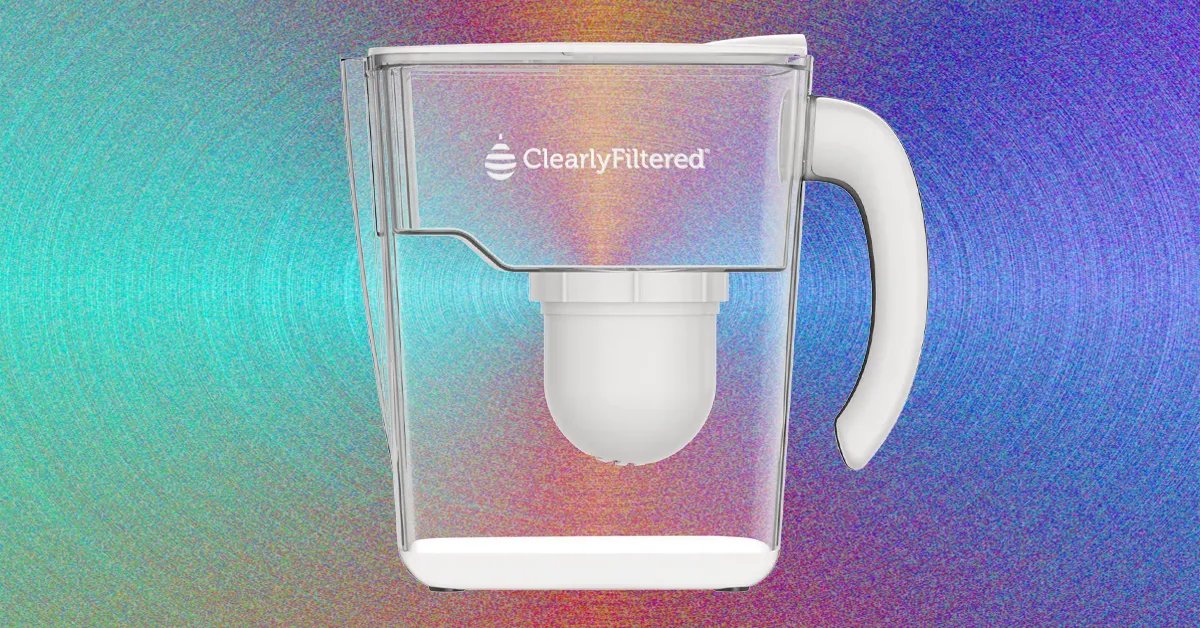
Water filter pitchers vary widely in PFAS removal. Learn to identify safe NSF-certified options before you buy.

I don’t say this to panic you. Your drinking water is probably in compliance with federal standards, and only around 4 percent of water systems end up with unsafe contaminant levels, according to an EPA study in 2020. But local water systems won’t have to comply with the new federal PFAS and PFOA maximums until 2031.
A whole new generation of water filters are making promises about reducing contaminants like chlorine, PFAS, and heavy metals. Some are whole-home or under-sink reverse osmosis systems. Others are simple countertop systems that work using gravity through mesh or carbon filters.
So how do you sort out which water claims are credible? I’ve been testing water filters since 2024, and can attest that it isn’t always easy. Here’s a guide to checking up on that water filter that caught your eye.
What Are NSF/ANSI Water Filter Standards?
The first main sources of comfort when assessing water filters are certifications and independent testing. Vague claims of 99 percent reduction in chlorine or PFAS are harder to trust if the testing is only done by the company itself. To be credible, any claims of third-party testing should also clearly identify the lab that conducted the testing.
The most reliable, standardized form of certification is testing against NSF/ANSI standards. The NSF, formerly called the National Sanitation Foundation, is a Michigan-based nonprofit that develops testing standards for water filters. ANSI, or the American National Standards Institute, is an independent nonprofit that accredits testing organizations like the NSF.
There are three main NSF/ANSI standards that apply to filters for home drinking water:
NSF-ANSI 42: This certifies removal of substances that may affect taste or appearance of the water, including chlorine used by cities to disinfect drinking water.
NSF/ANSI 53: This certifies removal of harmful compounds like lead, arsenic, and PFAS, with each compound tested individually.
NSF/ANSI 401: This certifies filtering of compounds that are emerging as potential concerns, including pharmaceuticals, herbicides, and pesticides.
If you have the item in hand, these may be marked on the box. But don’t assume certification is the norm. Among shower water filters in particular, only one filter received certification from NSF for free chlorine removal: the Weddell Duo.