
Recent court rulings allow offshore wind projects on the East Coast to restart after halting by the Trump administration
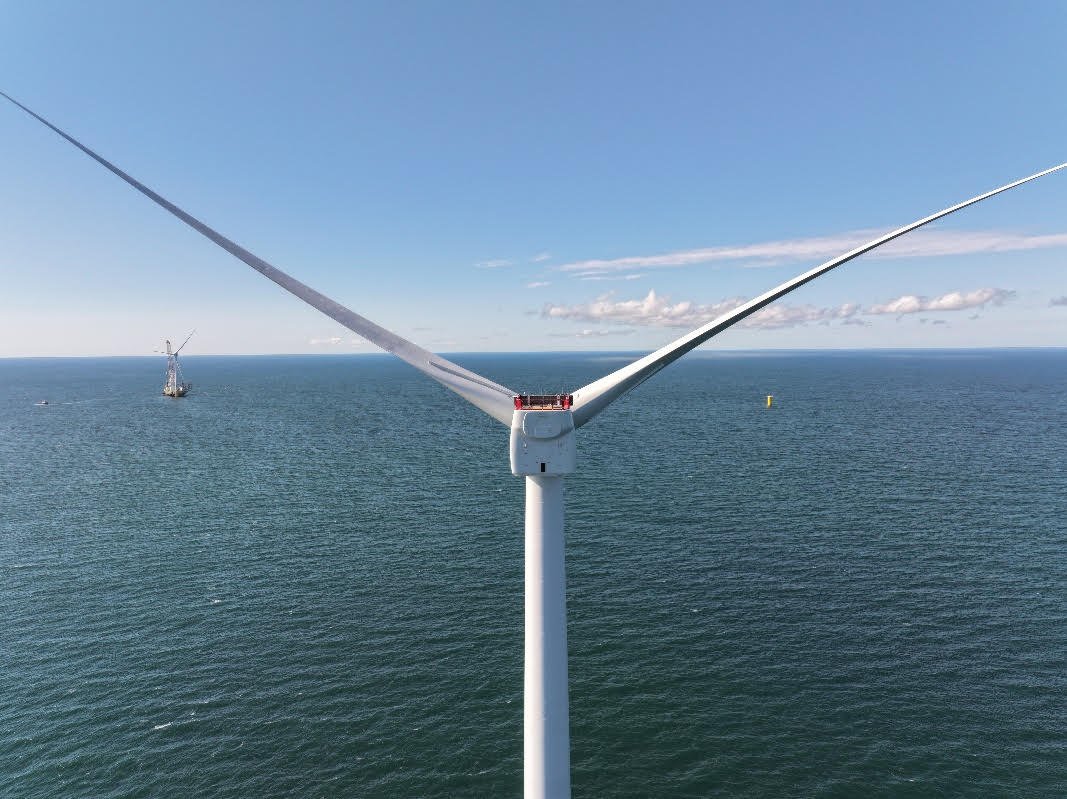
The projects had to sue the government after the stop order. This order was in effect for 90 days. The government believed that the wind farms might interfere with radar systems, which is a real issue. Still, the developers knew how to place wind farms to lessen any problems.
President Trump recently stated he isn’t a fan of offshore wind. He said, “I’m not much of a windmill person.” Yet, judges in Virginia and Washington, DC, seemed doubtful of the government’s reasoning. For instance, Judge Carl Nichols pointed out that the government didn’t answer some important points made by the company Equinor, which plans to build Empire Wind. He noted that their legal brief did not mention the word “arbitrary,” which was a big part of Equinor’s argument.
Other judges echoed similar thoughts. Judge Jamar Walker questioned why, if national security was the main worry, they would stop the projects altogether. Two more projects are still waiting for their day in court, with hearings scheduled soon.
According to a Department of Energy study, the East Coast could create 110 gigawatts of offshore wind power by 2050. This energy could greatly help big cities where electricity costs are high. Offshore wind also has the potential to slow down the rising electricity prices in the Mid-Atlantic area. On a national level, offshore wind could produce three times the amount of electricity that the whole country uses today.