
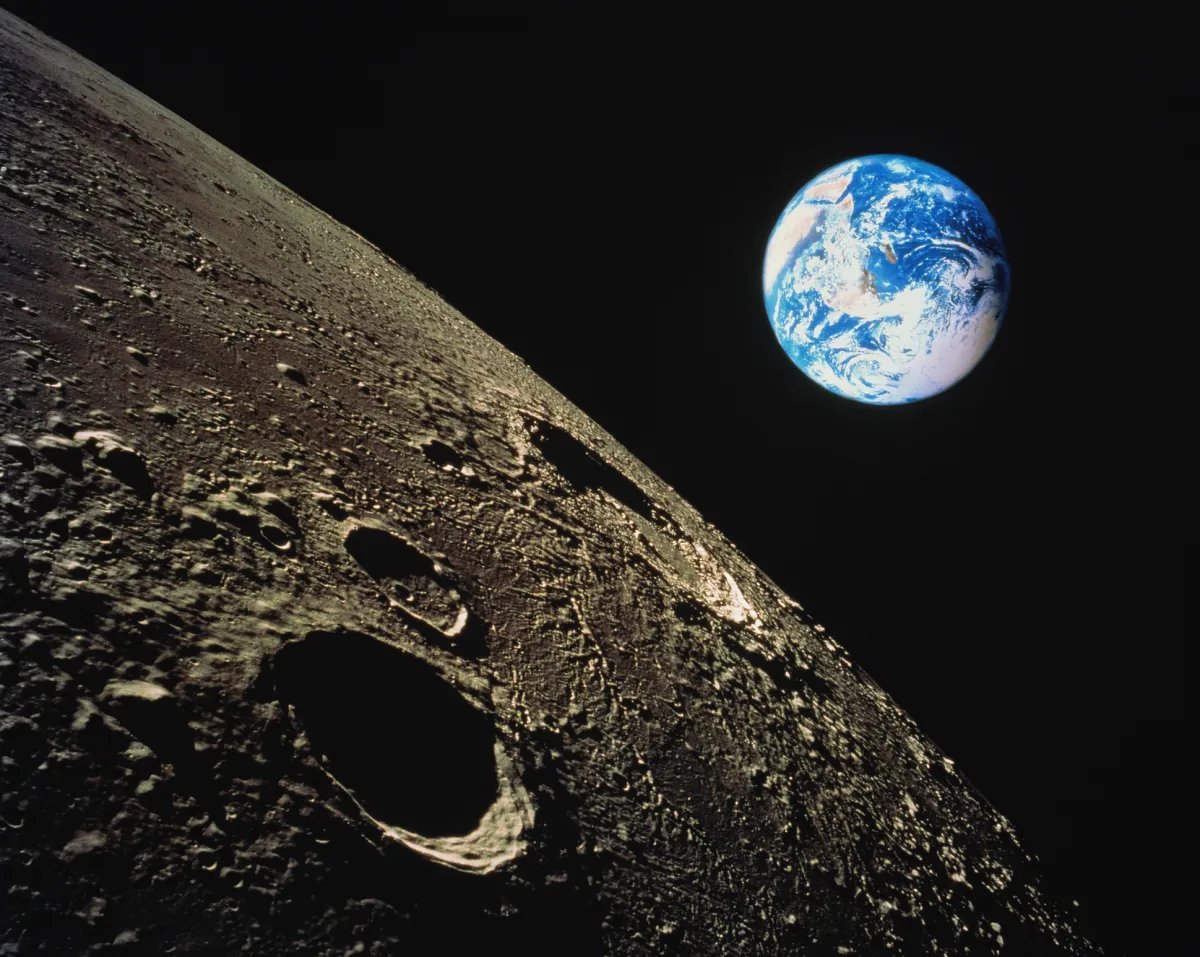
A space ethicist discusses the complexities of working and resource ownership in space.
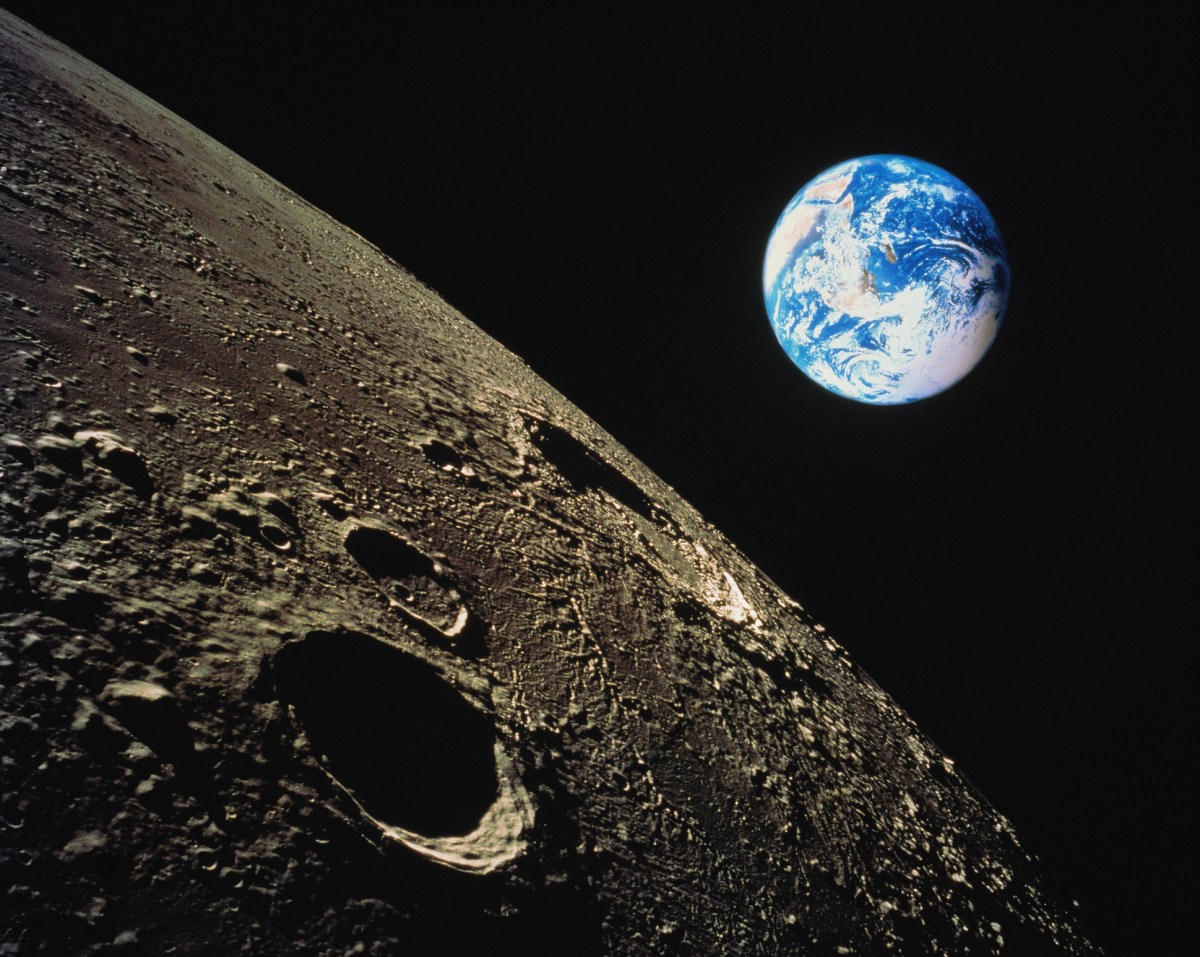
Mary-Jane Rubenstein, a professor and author, shared her thoughts on this issue. She talks about the unfairness of workers needing their employers for everything from paychecks to food and air. She warns that space is not a pleasant place, and it has many dangers.
Another big worry is who owns what in space. The Outer Space Treaty says no country can claim land in space, but a U.S. law allows companies to own resources they find. This creates confusion about ownership. Companies are eager to mine asteroids and get resources from the moon, but once they take these resources, others can’t get them.
After the U.S. law, some countries worried, and at a UN meeting, Russia called it unfair. The U.S. then introduced the Artemis Accords, but some countries, like Russia and China, did not sign. Rubenstein believes we need to work together, and better ways to use space should be discussed.
She feels that people are too focused on using space for profit and power, rather than thinking about better futures. She divides science fiction into three types: stories about conquering space, warnings about disaster, and ideas for better societies. She wants to see more futuristic ideas that focus on fairness and care.
Rubenstein sees possible solutions. For instance, it would be smart to make rules to protect the environment in space. There’s also the problem of space debris. With many objects floating around Earth, we might face serious issues with collisions.
She suggests a yearly meeting with academics and industry leaders to talk about safe and fair ways to use space. However, not everyone seems willing to cooperate. Recent laws could make working with others harder instead of easier.
As companies prepare for changes in space, the question of who will work there and own resources remains unresolved.