
Bucket Robotics made a big splash at CES 2026 thanks to a determined drive and engaging tech that caught many eyes

Las Vegas: The weather was not great, but Bucket Robotics made it to CES 2026. Instead of trusting flights, CEO Matt Puchalski decided to drive. He rented a Hyundai Santa Fe, packed it up, and drove for 12 hours in the rain. Puchalski and his team arrived safely, ready to show off their work at the big tech conference.
Bucket Robotics is a small company from San Francisco. It was one of many at CES, but Puchalski felt the trip was worthwhile. He worked hard and stayed alert to meet people and share ideas. With experience at major companies like Uber and Ford, he had many industry connections to explore.
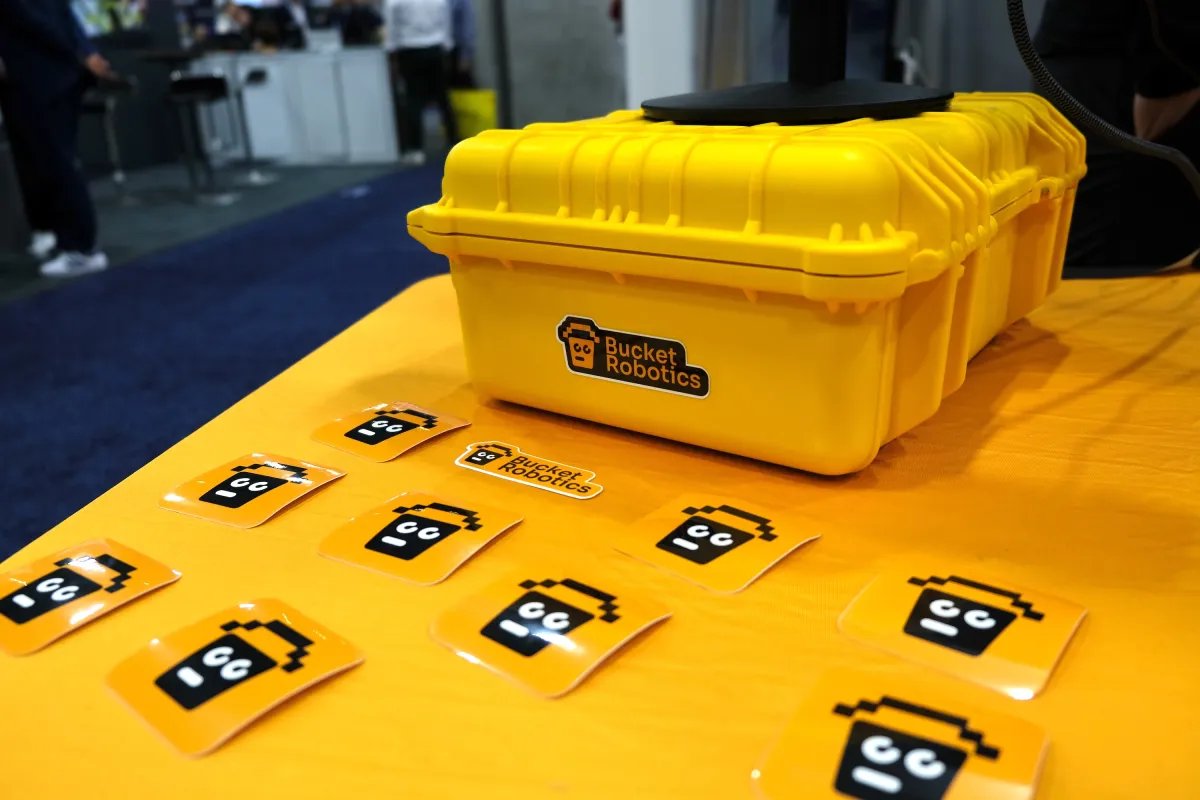
Puchalski met others at networking events, discussing topics that impressed those around him. At breakfast, he and sales associate Max Joseph discussed their plans for Media Day. Puchalski opened a bright yellow case and showed me a small, important piece of technology.
Bucket Robotics started at Y Combinator in Spring 2024. The goal is to use smart cameras for quality checks in factories. They focus on tasks like checking car door handles to ensure they are strong and free of flaws. This is where the fun starts. Puchalski joked about how this task is often done by “dudes in Wisconsin,” but his team wants to automate it.
To do this, they use computer files of parts to create fake problems like scuffs and bumps. Their smart software can find these quickly on production lines. There’s no need for manually finding flaws, and they can set up their system in minutes. Their technology fits in with existing machines without needing extra parts.
They already have clients in the auto and defense industries, and they intend to help both. When CES opened, many people came to check out Bucket Robotics. They chatted with the staff and grabbed stickers to learn more.
The excitement continued all week. Puchalski had real talks with people about his technology and spent time following up with interested clients and investors after the event.
Though CES can be tough, Bucket Robotics showed they can do well. The real challenge comes next: building a lasting business, finding funds, and making deals. Puchalski does not see his company as a threat to the jobs in Wisconsin. Those roles are important for finding deeper issues in quality checks. Automating this work is hard and many have tried for years.
Puchalski believes this technology excites customers because it solves problems they face daily.