
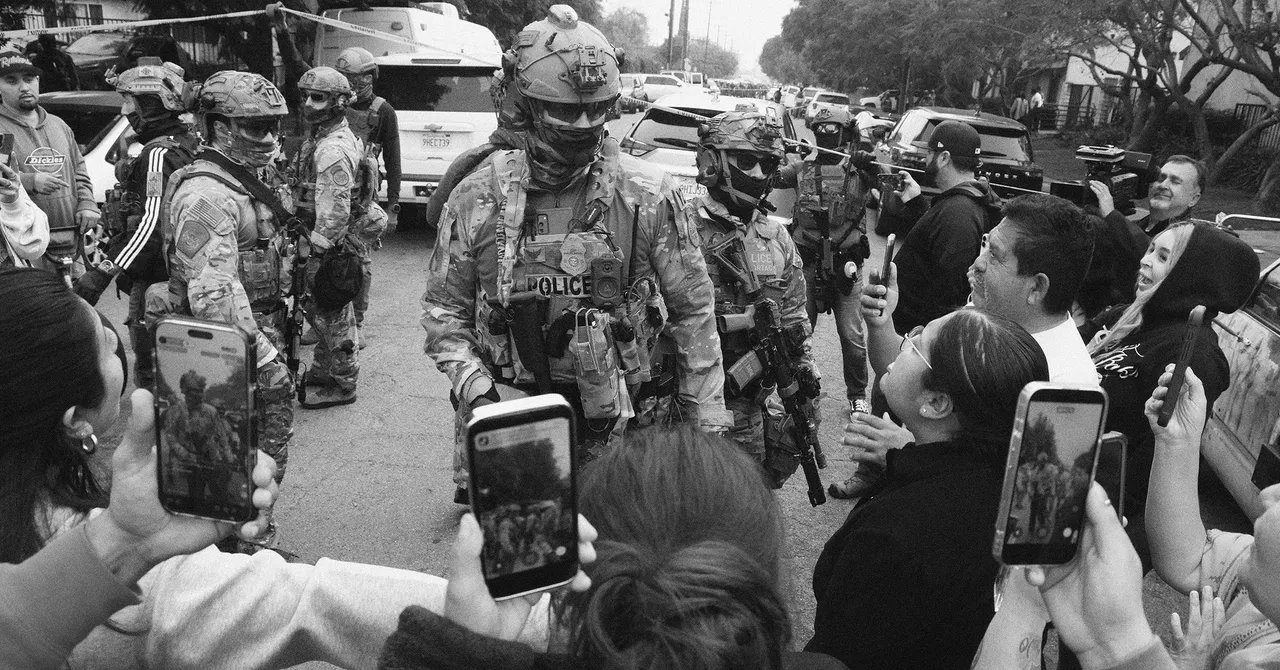
As ICE operations escalate across the US, citizens face risks and responsibilities when documenting federal agents, balancing First Amendment rights with personal safety

Minneapolis: In January 2026, two people died while filming ICE agents in Minneapolis, showing how dangerous it can be to record federal operations but also how important videos are for documenting what happens.
People across America are choosing to film ICE activities because videos help prove what really happened when federal agents are accused of wrongdoing. Trevor Timm from Freedom of the Press Foundation says it’s very risky right now to film ICE agents because they have been acting aggressively and illegally. He points out that videos from many angles helped show the truth when ICE agents killed someone who was filming them.
Federal officials have tried to make filming them seem illegal, even though the First Amendment protects this right in public spaces. Department of Homeland Security leaders have called video recording “violence” and “doxing,” despite ICE agents being visible in public while doing their jobs. Jackie Zammuto from Witness explains that videos can expose abuse and help people demand fairness, but she also warns that people who film, including journalists, are being targeted even when they follow the rules.
Before going to film ICE operations, experts suggest using a temporary phone instead of your regular one to protect your privacy. They also recommend turning off face or fingerprint unlocking and using a password instead, since federal agents need special permission to demand your password but can more easily force you to unlock your phone with your fingerprint or face. Be aware that ICE has many ways to track people, including license plate readers and phone monitoring tools.